


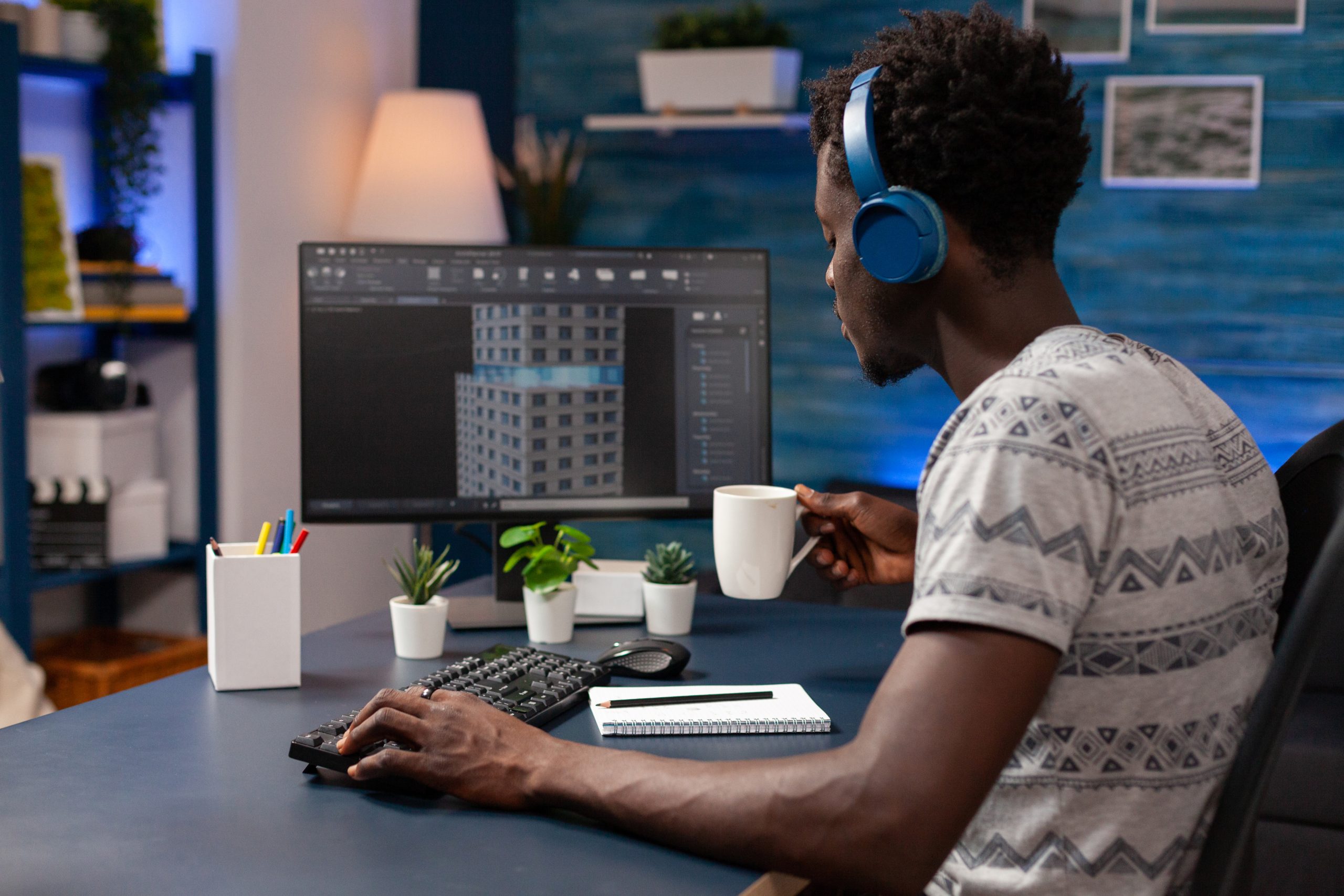
Introduction to 3D Modelling and Product Design in Ilorin
The field of 3D modelling in Ilorin has seen a significant rise in recent years, with professionals and enthusiasts alike delving into the intricacies of creating virtual representations of objects and environments. In parallel, product design in Ilorin has undergone a transformation, leveraging the capabilities of 3D modelling to enhance the conceptualization, development, and refinement of various products. This marriage of 3D modelling and product design in Ilorin has paved the way for innovation and creativity, opening new possibilities for businesses and individuals looking to bring their ideas to life.
Table of Contents
As technology continues to advance, the intersection of 3D modelling and product design in Ilorin is set to evolve further, providing a robust platform for collaboration, experimentation, and problem-solving. The synergy between 3D modelling and product design in Ilorin creates a dynamic environment where ideas are materialized, refined, and optimized with precision and efficiency. This convergence not only streamlines the design process but also fosters a culture of innovation and excellence within the local ecosystem, positioning Ilorin as a hub for cutting-edge design solutions.
How Technology is Shaping 3D Modelling and Product Design
Technology trends in 3D modeling continue to revolutionize the design landscape, offering a glimpse into the future of product development in Ilorin. From advanced rendering techniques to real-time collaboration tools, the integration of cutting-edge technologies is reshaping the way designers conceptualize and bring products to life. This wave of innovation not only streamlines the design process but also opens up new possibilities for creativity and efficiency in the field of product design.
As we navigate through the digital landscape, the future of 3D modeling in Ilorin is poised to be defined by a confluence of emerging technologies. Cloud-based solutions are democratizing access to powerful design tools, while 3D printing innovations are revolutionizing rapid prototyping and manufacturing. The synergy between virtual reality (VR) and augmented reality (AR) is creating immersive design experiences, while the rise of artificial intelligence (AI) and machine learning is paving the way for intelligent design automation. By embracing these technological advancements, designers and engineers can unlock a realm of possibilities to propel the industry forward into a new era of design innovation.
The Rise of AI and Machine Learning in 3D Modelling
AI in product design has revolutionized the way 3D modelling is approached, offering a seamless integration of intelligent algorithms to streamline the design process. By leveraging AI capabilities, designers can generate complex geometries and optimize designs based on data-driven insights, leading to more innovative and efficient product development cycles.
Furthermore, the incorporation of virtual reality (VR) and augmented reality (AR) technologies in 3D modelling has extended the realm of possibilities for designers. These immersive technologies allow for real-time visualization and manipulation of 3D models, enhancing collaboration and decision-making processes. By combining AI with VR and AR, designers can create interactive and dynamic design environments that not only accelerate the design process but also push the boundaries of creativity in product design.
The Role of Virtual Reality (VR) and Augmented Reality (AR) in Product Design
Virtual Reality (VR) and Augmented Reality (AR) have revolutionized the landscape of product design by offering immersive experiences and enhancing collaboration among teams. Automation in product design is now seamlessly integrated with these technologies, allowing for streamlined processes and the rapid creation of prototypes. Designers can visualize and interact with their creations in a virtual environment, enabling them to make real-time adjustments and ensure precision in every aspect of the design process.
Cloud-based 3D modelling solutions further complement the use of VR and AR in product design by providing a platform for secure data storage and easy accessibility to projects from anywhere in the world. This technology not only fosters remote collaboration but also facilitates the integration of feedback from various stakeholders efficiently. With the use of VR and AR in conjunction with cloud-based solutions, product designers can elevate the quality of their work, reduce time-to-market, and ultimately deliver innovative products that meet the needs of today’s dynamic market.
Impact of Automation on 3D Modelling Efficiency
Automation has significantly impacted the efficiency of 3D modelling processes, particularly with the integration of advanced technologies like 3D printing innovations. By automating certain aspects of design and production, companies can streamline their workflows, reduce errors, and accelerate the overall product development cycle. With automation, repetitive tasks can be executed with precision and consistency, freeing up designers to focus on more intricate and creative aspects of product design.
Moreover, simulation technology plays a crucial role in enhancing the efficiency of 3D modelling by allowing designers to test and refine their ideas virtually. By simulating real-world conditions and scenarios, designers can assess the performance and durability of their products before physical prototyping, saving both time and resources. This integration of automation and simulation technology in product design not only increases efficiency but also ensures the accuracy and quality of the final output.
How H-SETS is Empowering 3D Modelling and Product Design in Ilorin
In Ilorin, the utilization of open-source 3D modeling tools has been instrumental in driving innovation and creativity in the field of product design. By leveraging these tools, businesses in Ilorin have been able to streamline their design processes, enhance collaboration among teams, and ultimately bring their ideas to life in a more efficient and cost-effective manner. The business benefits of incorporating 3D modeling in Ilorin extend beyond just the design phase, as it enables companies to better visualize and communicate their concepts, leading to improved decision-making and a competitive edge in the market.
Moreover, the integration of open-source 3D modeling tools in Ilorin has not only democratized access to advanced design technology but has also empowered local entrepreneurs and small businesses to compete on a global scale. By embracing these tools, companies are able to scale their production, reduce time-to-market, and tailor their products to the specific needs of their target audience. This shift towards utilizing open-source solutions for 3D modeling represents a significant paradigm in the digital landscape of Ilorin, highlighting the city’s commitment to embracing technological advancements for sustainable growth and development.
Cloud-Based Solutions for 3D Modelling and Product Development
Cloud-based solutions have revolutionized the landscape of 3D modelling and product development by offering accessibility to training programs even in regions like Ilorin. H-SETS, a pioneering platform, provides tailored 3D modelling training for individuals looking to enhance their skill set in product design. Through cloud-based platforms, participants can engage in interactive sessions and gain hands-on experience in creating intricate 3D models, thus bridging the gap between theoretical knowledge and practical application.
Incorporating cloud-based solutions not only streamlines the process of 3D modelling but also fosters collaboration among professionals from diverse backgrounds. With H-SETS 3D modelling training available online, individuals can harness the power of cloud computing to work on projects collectively, regardless of geographical limitations. This interconnectedness not only enhances the efficiency of product development but also encourages a dynamic exchange of ideas, propelling innovation to new heights within the realm of 3D modelling and design.
3D Printing Innovations and Their Influence on Product Design
Modern product design techniques have been significantly influenced by 3D printing innovations, revolutionizing the way products are conceptualized and brought to life. The utilization of big data in product design has empowered designers to create intricate and customized products, pushing the boundaries of what is achievable in the realm of product development. With 3D printing advancements, designers have gained the capability to produce prototypes and final products with unparalleled speed and precision, opening up a new world of possibilities in the design process.
The integration of 3D printing technology has had a profound impact on product design by allowing for rapid iteration and customization, ultimately leading to more efficient and cost-effective manufacturing processes. By leveraging the power of 3D printing innovations, designers can explore and materialize their ideas in a tangible form, enabling them to test, refine, and perfect their designs with ease. This dynamic approach to product design not only enhances creativity and innovation but also ensures that the final products meet the exact specifications and requirements of the intended audience.
Enhancing Design Accuracy with Simulation Technology
Simulation technology plays a pivotal role in enhancing design accuracy in 3D modelling, allowing for real-time collaboration among teams working on sustainable product designs. By simulating various scenarios and testing different parameters, designers can ensure that the final product meets the required specifications and aligns with sustainability goals. This level of precision and foresight in simulation technology not only saves time but also minimizes errors during the design process, resulting in more efficient and environmentally friendly products.
The integration of simulation technology into 3D modelling processes empowers designers to make informed decisions based on data-driven insights, leading to more sustainable product designs. Through advanced simulations, designers can predict how a product will perform under different conditions, enabling them to optimize its performance and durability. This proactive approach not only enhances design accuracy but also reduces the need for physical prototypes, ultimately saving resources and minimizing waste in the product development lifecycle.
The Influence of Open-Source Platforms on 3D Modelling
Open-source platforms have been instrumental in addressing various challenges in 3D modeling by providing accessible tools and resources for designers and developers. These platforms have democratized the field of 3D modeling, allowing for more collaborative and innovative projects to emerge. As the digital landscape continues to evolve, open-source platforms are expected to play a key role in shaping future trends in 3D modeling, enhancing creativity, and fostering a sense of community within the design industry.
Future trends in 3D modeling are likely to be influenced by the collaborative nature of open-source platforms, where designers can freely share ideas, techniques, and resources to push the boundaries of what is possible in product design. The transparency and flexibility offered by these platforms allow for rapid experimentation and iteration, leading to more efficient workflows and the development of cutting-edge designs. By embracing open-source platforms, designers can stay at the forefront of the ever-evolving digital world and pave the way for a more inclusive and innovative design community.
What is the significance of open-source platforms in 3D modelling?
Open-source platforms provide access to a wide range of tools and resources for 3D modelling, allowing for greater collaboration and innovation within the community.
How do open-source platforms impact the accessibility of 3D modelling software?
Open-source platforms make 3D modelling software more accessible to users, as they are often available for free or at a lower cost compared to proprietary software.
Can open-source platforms be used for commercial purposes?
Yes, many open-source platforms allow for commercial use, making them a cost-effective option for businesses looking to incorporate 3D modelling into their product design process.
What are some popular open-source platforms for 3D modelling?
Some popular open-source platforms for 3D modelling include Blender, FreeCAD, and OpenSCAD, among others.
How can open-source platforms benefit small businesses and startups in the product design industry?
Open-source platforms provide small businesses and startups with access to powerful 3D modelling tools without the high costs associated with proprietary software, allowing them to compete more effectively in the market.
Discover more from H-SETS Digital & IT Solutions
Subscribe to get the latest posts sent to your email.